I Am America: Red, White, and Rebel Green
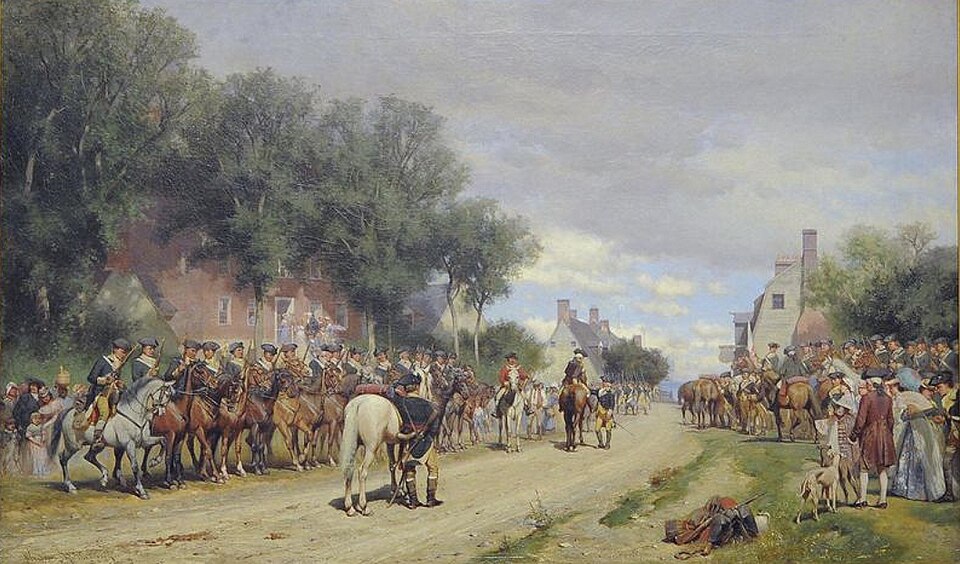
When the Continental Congress threw down the gauntlet in the summer of 1776, British leadership looked across the Atlantic and confronted an uncomfortable demographic surprise. Testifying before the House of Commons in1779, former colonial official Joseph Galloway dropped a startling estimate: the Continental Army was roughly "one-fourth native Americans, one-half Irish, and one-fourth English and Scotch."
While people of Irish heritage made up only about 10 percent of the civilian colonial population, they flooded the muster rolls—frequently filling 25 to 50 percent of Washington's fighting force. By the war's end, nearly 1,500 Irish-born or Irish-descended officers, including 9 general officers, held commissions in the Continental lines. Yet the Revolution was never a solitary endeavor; these fighters operated as a massive, pulsing thread within a fragile, multi-ethnic coalition that ultimately tore an empire apart.
To understand how that reality kept the rebellion alive, we have to follow the physical trail of the war: starting on the dark, spray-swept Atlantic shipping lanes, moving inland to the secret backcountry forges, and finally breaking out onto the blood-and-smoke front lines where men and women fought with striking parity.
Smuggled Silk, Hidden Iron, and Open Sea
Survival started on the water, long before a single musket ball was cast. A clandestine web of shipping routes threaded from Ulster ports straight through the Caribbean to northern harbors like Philadelphia and Baltimore. When Congress desperately needed gunpowder and European goods without tipping off the Royal Navy, they bypassed official channels and tapped directly into existing merchant syndicates.
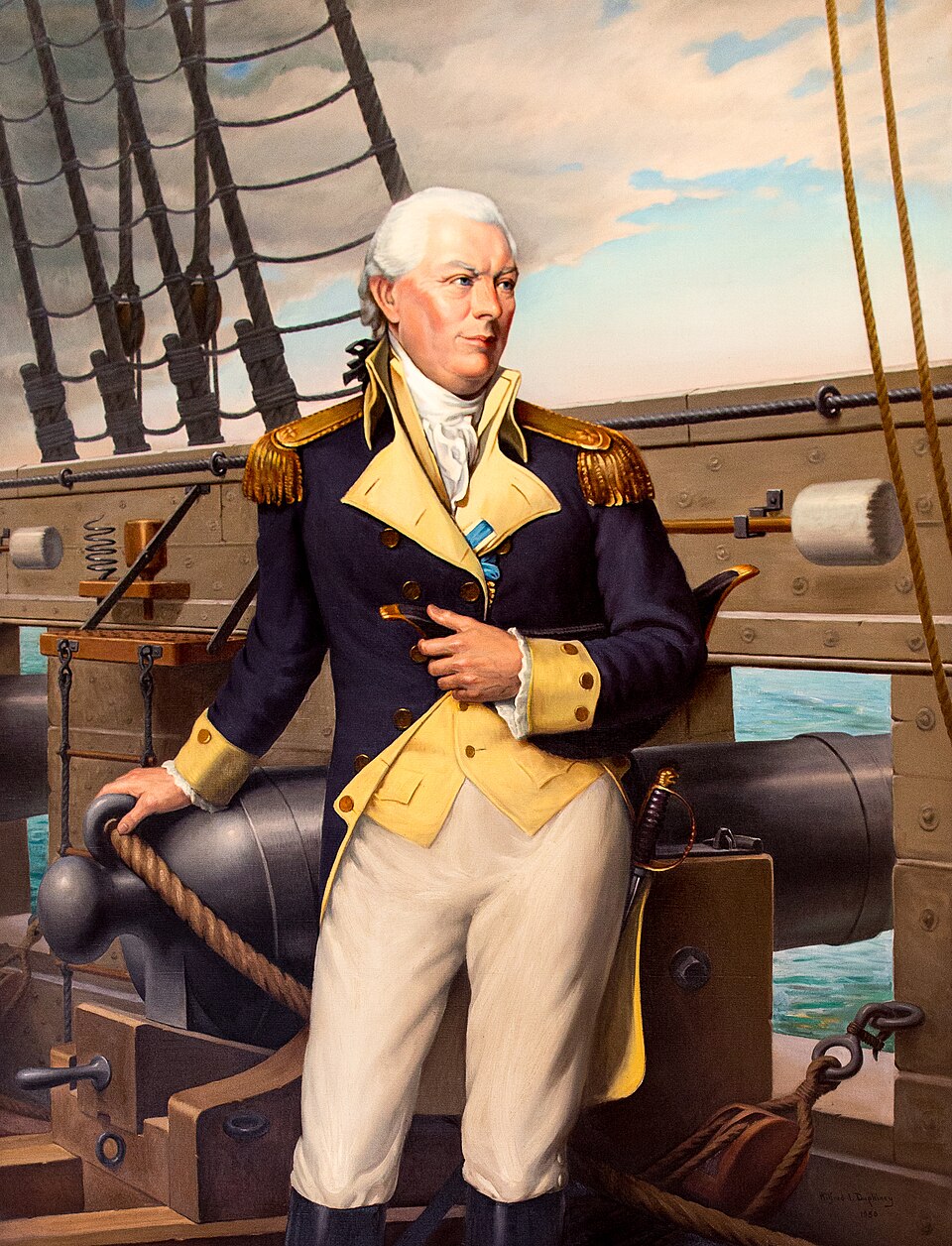
Navigating those lethal blockades took nerves of steel—and men like Commodore John Barry. Born in County Wexford in 1745 after an English landlord evicted his family, Barry immigrated to Philadelphia, captained multiple Continental warships, took command of the 32-gun frigate Alliance, and safely escorted a cargo of Cuban gold used as the seed money for the nation's first bank. Cargo manifests across these routes routinely disguised military hardware as bales of Irish linen or salt beef, leveraging deep-seated familial trust from Galway to the Mid-Atlantic to keep the rebellion afloat.
That maritime lifeline fed directly into a rugged, subterranean industrial base. Scattered across the river valleys of Pennsylvania, New Jersey, and New York, small-scale ironworks and foundries run by immigrants covertly cast thousands of iron shot, hammered barrel hoops, and repaired cracked muskets. In their account books, they slyly disguised military production as routine agricultural ironmongery, keeping Continental forces armed through shared craftsmanship and local silence.
Command, Governance, and the Shadow War
Once those supplies hit the field, the human machinery of the war kicked into high gear, driven by a sharp mix of battlefield leadership, fierce statecraft, and high-stakes shadow games.
_(detail).jpg)
In the upper echelons of command, Irish-born officers brought hard-earned tactical muscle to Washington's lines. Major General Edward Hand (County Offaly) brought years of British garrison grit to frontier defenses and the siege of Yorktown, while Brigadier General Andrew Lewis (County Donegal) anchored vital southern operations. Washington’s personal staff relied heavily on this network too, including Stephen Moylan (Cork), who raised and commanded the 4th Continental Dragoons, and John Fitzgerald (County Wicklow),an indispensable aide-de-camp and close confidant to the commander-in-chief.
%2C_by_John_Trumbull.jpg)
Civil governance mirrored that administrative weight. Out of the 56 signers of the Declaration of Independence, 8 were of Irish descent—including3 born right across the Atlantic. Ulster-born James Smith used his legal practice to draft radical resolutions for independence, while George Taylor signed the historic document after decades of managing iron factories. This legislative footprint carried straight through to the U.S. Constitution: of the7 immigrant signers of the document, more than half hailed from Ireland—anchored by figures like New Jersey’s William Paterson (County Antrim), who fiercely fought for state sovereignty and executive balance during the sweltering 1787 Philadelphia Convention.
Behind the formal lines of command, a dirtier, more dangerous espionage war unfolded. Frontier tavern keepers built underground counter-intelligence rings, intercepting loyalist gossip and feeding British movements straight to local militias. But loyalties fractured the diaspora, too. Figures like Ann Bates operated as a high-stakes British spy, smuggling herself into Washington's camp at White Plains disguised as an ordinary peddler to meticulously catalog American troop strengths and artillery placements for the Crown.
Grit on the Front Lines and in the Wards
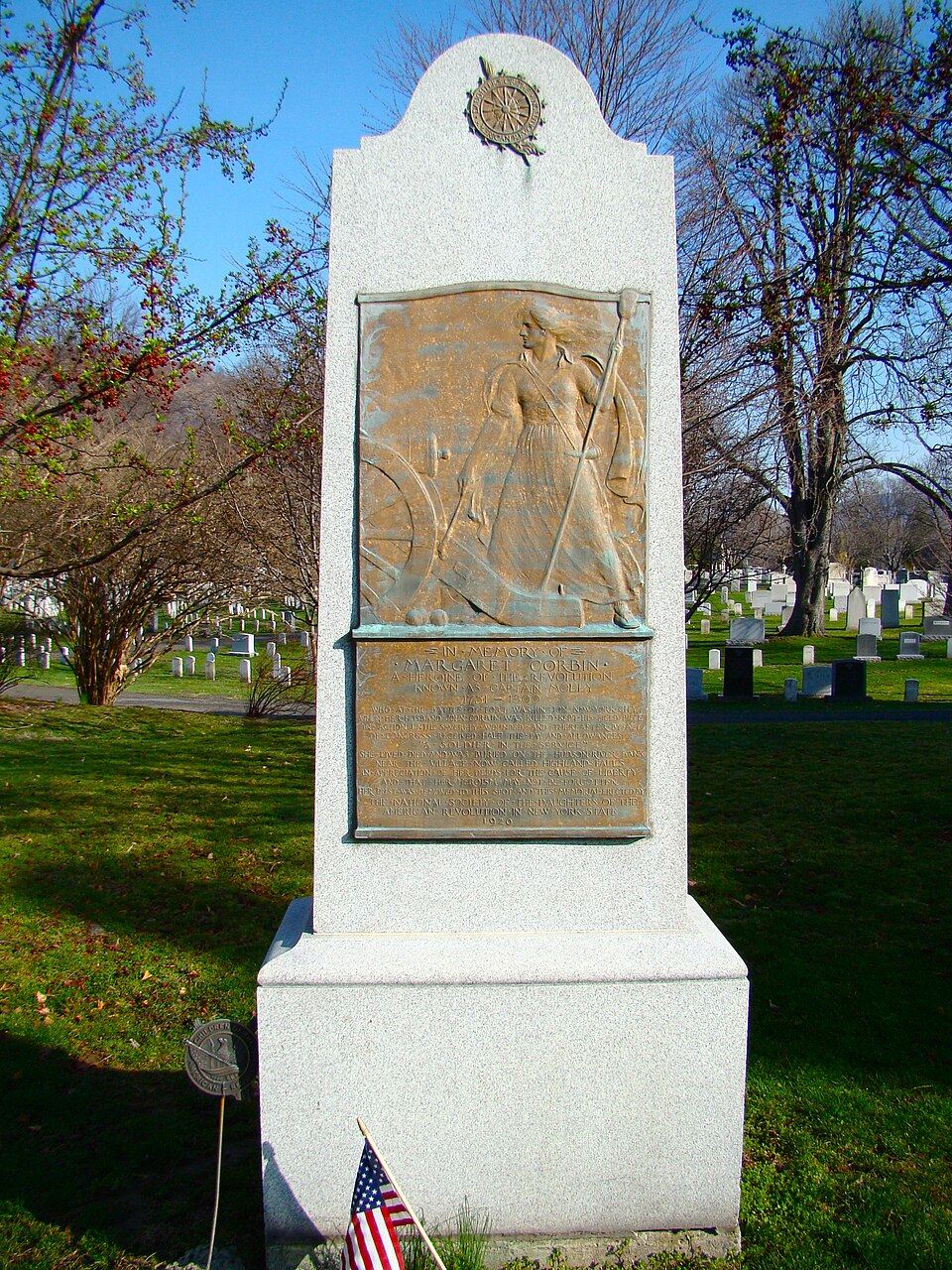
On the battlefields and in the camps, women served with the exact same grit and resolve as their male counterparts. Margaret Cochran Corbin, born in Pennsylvania in 1751 to immigrant parents, didn't flinch when the chaos hit. At the Battle of Fort Washington in November 1776, after her husband was killed beside his piece, she stepped up, took over the cannon, and kept firing until she sustained severe wounds that permanently disabled her left arm—ultimately earning a lifetime military pension authorized by Congress as the first woman in U.S. history to receive one.
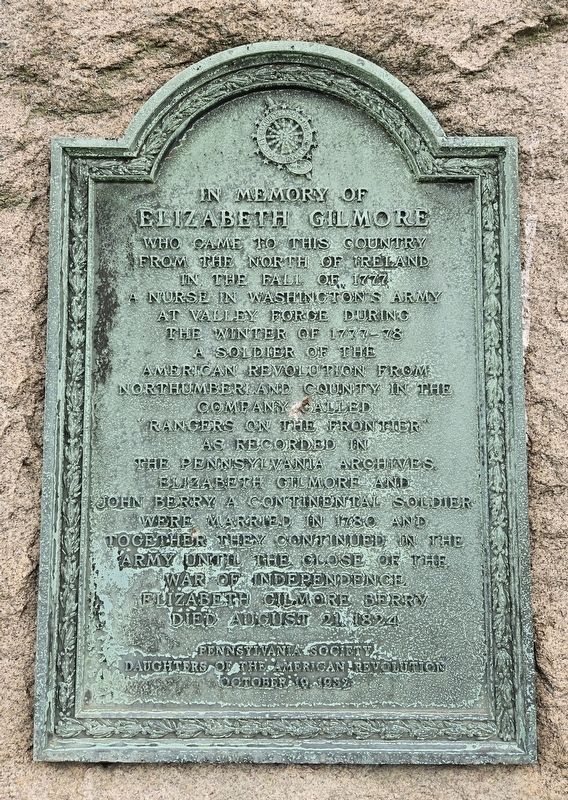
That same fierce resilience defined the medical and survival networks of the war. In makeshift military hospitals from New Jersey to Virginia, women formed the exhausted, essential core of the nursing corps. Elizabeth Gilmore Berry, born in County Londonderry in 1759, served as a frontline nurse at Valley Forge during the brutal winter of 1777–1778 before enlisting as a private and fighting in frontier ranger companies alongside her husband. Working alongside nurses like Dublin-born Mary Waters through grueling mid-Atlantic campaigns, these women battled rampant outbreaks of smallpox and dysentery, rationing meager medical supplies at extreme personal peril while women on the home front kept the agrarian economy breathing.
The Unfinished Blueprint
History often wraps the American Revolution in the clean parchment of declarations and the grand strategies of statesmen, but the republic was actually built by the grit of an underground machine. From the ghost ships slipping past royal blockades with smuggled munitions and the hidden foundries hammering out iron in the backcountry, to the signatures inked on founding documents and the blood-stained artillery decks manned by frontline survivors, the Irish footprint was woven into every layer of the struggle. They did not merely witness the birth of a nation; through smuggling, statecraft, espionage, and raw frontline endurance, they provided the structural weight that kept the revolution from collapsing under its own gravity.
Image Credits: Sourced via Wikimedia Commons, with the exception of the Elizabeth Gilmore Berry photograph, which was obtained from the Historical Marker Database (HMDB).