I Am America: The Badge, The Ballot, and The Breadline
When the ships docked in the mid-19th century, they didn’t drop the Irish off in a land of opportunity; they dropped them into a raw, unfiltered urban wilderness. There was no federal safety net, no HR department, and no social worker waiting at the end of the gangplank. If you got hurt on the job, you were finished; if you couldn’t pay the rent, you were on the street. It was a brutal, sink-or-swim reality that broke thousands, but for those who stayed, it forged something entirely new: a community that realized if they wanted to survive, they had to be the ones to build the foundations.
This wasn't a phenomenon unique to the Irish—every immigrant group was busy carving out their own patch of security. But the Irish response was uniquely massive in scale and persistence, born from the sheer volume of arrivals following the Great Hunger. Between 1845 and 1855 alone, over 1.5 million Irish arrived in America fleeing starvation. In major ports of entry like Boston and New York, the Irish went from a tiny fraction of the populace to nearly one-third of the city within a single decade, completely overwhelming municipal structures.
The bedrock of this effort was the benevolent society. It is important to note that the organizations mentioned here are merely scratching the surface of a vast, nationwide network of service. The Charitable Irish Society of Boston, established in 1737, served as a vital lifeline for immigrants who arrived "friendless and forlorn." They provided direct, tangible aid: funding passage for destitute immigrants, paying for medical care, offering grants to those unable to work, and ensuring that no Irishman or woman died in a potter's field by providing dignified burials.
.jpg)
Similarly, the Hibernian Society of Baltimore, founded in 1803, realized that charity had to be sustainable. In 1823, they used a $20,000 bequest from John Oliver to build the Oliver Hibernian Free School. Oliver’s bequest contained a radical mandate or the era: no distinction was ever to be made regarding a child's religious beliefs for admission. In an era of intense anti-Catholic sentiment, this Irish-led initiative created a completely non-sectarian refuge that would go onto educate an estimated 12,000 children of the city's poorest laborers before the turn of the century, proving that knowledge was the ultimate long-term insurance policy.
As the population surged, these localized efforts scaled into sophisticated national networks. The Ancient Order of Hibernians (AOH) and the Ladies Ancient Order of Hibernians (LAOH) became the primary safety nets. These functioned as highly structured, audited insurance cooperatives where members paid mandatory dues into common funds to provide sickness benefits, death benefits for widows, and emergency financial lifelines for families displaced by industrial volatility. In hazardous industries like the Pennsylvania anthracite coal mines or the grueling construction lines of the Baltimore & Ohio Railroad, where workplace fatalities were a daily occurrence, these societies essentially acted as localized workers' compensation boards decades before state governments ever passed insurance laws. Today, they remain hubs for scholarship programs and charity, continuing a legacy of mutual protection that has evolved along side the needs of the community.
Parallel to these societies, Catholic religious orders constructed an unmatched infrastructure of care, led by both men and women who viewed social welfare as a moral mandate. They did so under extreme duress; in the 1850s, Baltimore was the national epicenter of the nativist "Know-Nothing" political party, whose followers routinely incited anti-immigrant riots and threatened Catholic institutions. Yet, the orders persevered.

The Sisters of Mercy at the Convent of the Immaculate Conception here in Baltimore were pioneers of the "social welfare" model. They founded and managed sprawling hospital systems—including what is today Mercy Medical Center—opened orphanages for the abandoned, and operated soup kitchens and employment bureaus. Their clinical expertise was profound, serving as triage experts during the Civil War as part of a network of roughly 600 Catholic nuns who served as military nurses, and their dedicated service during the Spanish-American War earned them formal federal recognition.
Simultaneously, orders of teaching brothers, such as the Xaverian Brothers who established institutions like Mount St. Joseph College in 1876, were instrumental inbuilding the educational foundation of the city. These brothers were not just educators; they were mentors and social anchors for working-class youth, providing the vocational and academic training necessary to break the cycle of poverty and enter the professional class.
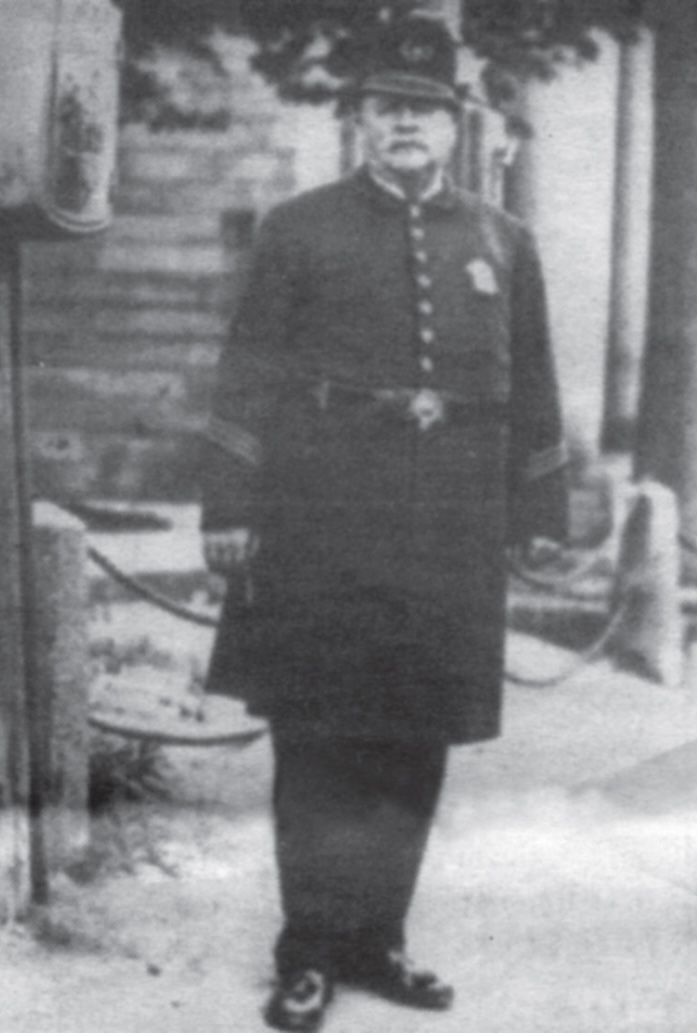
This culture of communal protection naturally spilled over into public safety. The formation of Emerald Societies within police and fire departments became the gold standard for professional support. The journey to these positions was hard-won; when Barney McGinniskin became Boston’s first Irish police officer in 1851, his appointment triggered intense nativist protests, and he was ultimately fired three years later simply because of his heritage. Overcoming this systemic hostility, the Irish transformed the very institutions that once rejected them. These organizations became professional networks that fostered mentorship and provided supplemental aid to families of fallen members.

Men like Sergeant Daniel McBride of the Baltimore City Mounted Police, who served with his horse "Easter," became neighborhood fixtures, representing a public trust that went beyond simple enforcement. Similarly, concrete-risk workers like Robert Lloyd, who worked for the Baltimore & Ohio Railroad's fire department, faced the daily, grinding dangers of an industrializing city. The impact of this service is etched in stone: at the National Law Enforcement Officers Memorial in Washington, D.C., nearly half of the names on the wall are of Irish descent—a sobering statistic that quantifies a generational commitment to public safety.

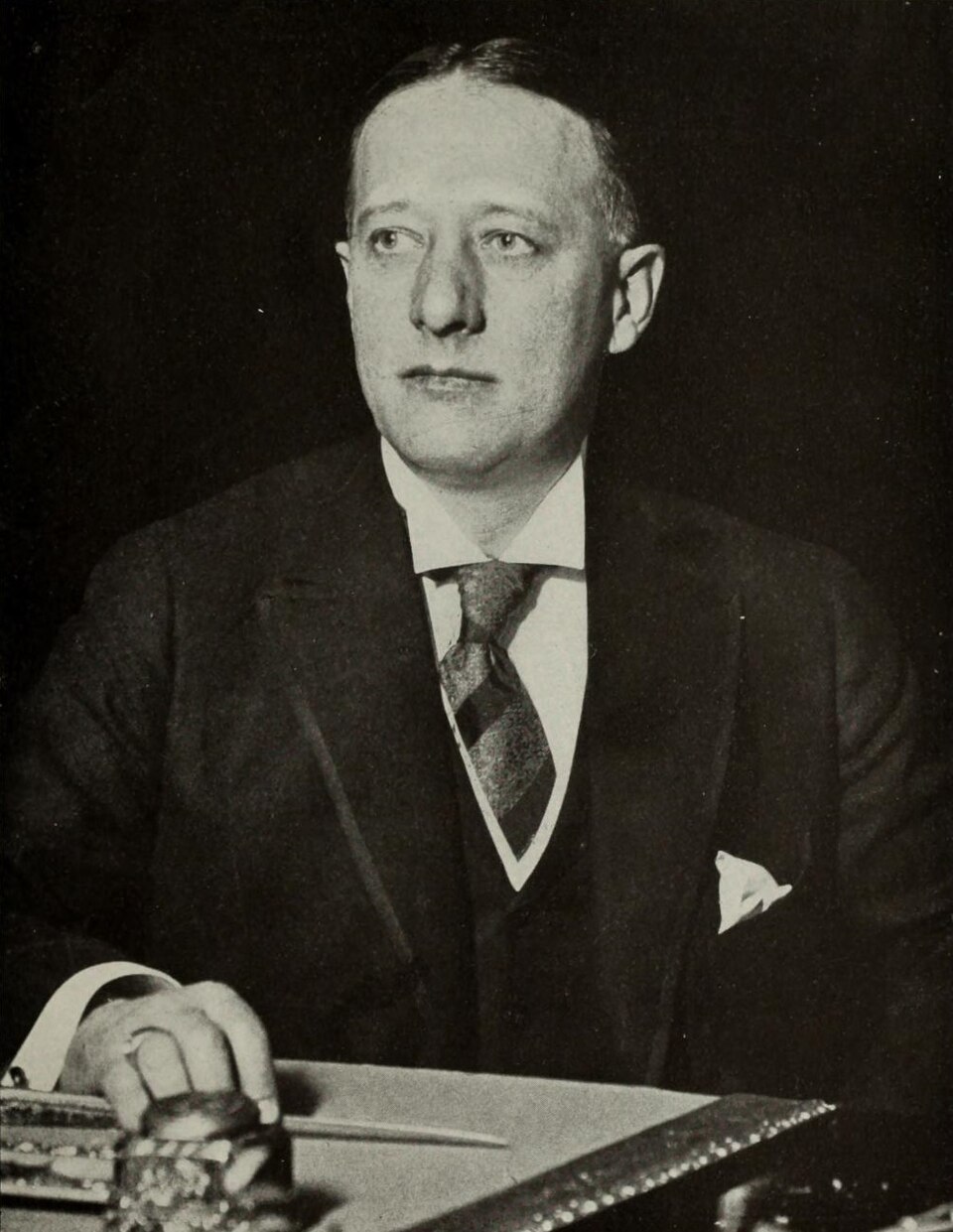
This commitment extended into the political sphere, where Irish-American leaders fundamentally reshaped the American administrative state. Governor Al Smith of New York took the tradition of "street-level" advocacy and turned it into a powerhouse for systemic reform. Following the horrific 1911 Triangle Shirtwaist Factory fire, which claimed the lives of 146 garment workers, he led the Factory Investigating Commission. Smith brilliantly took the informal, neighborhood-level care of the old ward bosses—who handed out winter coal and holiday turkeys—and codified it into the legal framework of the modern welfare state. His commission enacted 36 groundbreaking new laws in just three years, establishing the nation's blueprint for mandatory sprinkler systems, illuminated exit signs, and panic-bar doors.
The political impact of this heritage is expansive: today, 23 U.S. presidents—nearly half of all who have held the office—have been able to trace some portion of their ancestry back to Ireland. Furthermore, members of the Irish-American community have served in Congress representing all 50 states, helping to write the laws that define modern labor rights, workers' compensation, and child labor protections.
The legacy of these guardians is not merely a chapter in a textbook; it is a living history. Whether through the benevolent societies providing financial dignity, the religious sisters and brothers establishing the standard for clinical and educational excellence, the Emerald Societies ensuring the safety of our streets, or the political leaders who codified labor protections in our laws, this community defined the very standards of care, safety, and service that the nation relies on today. This work was never the result of a single organization, but the cumulative, often quiet efforts of millions who built our institutions from the ground up.