I Am America: The Streets, the Scales, and the Cart
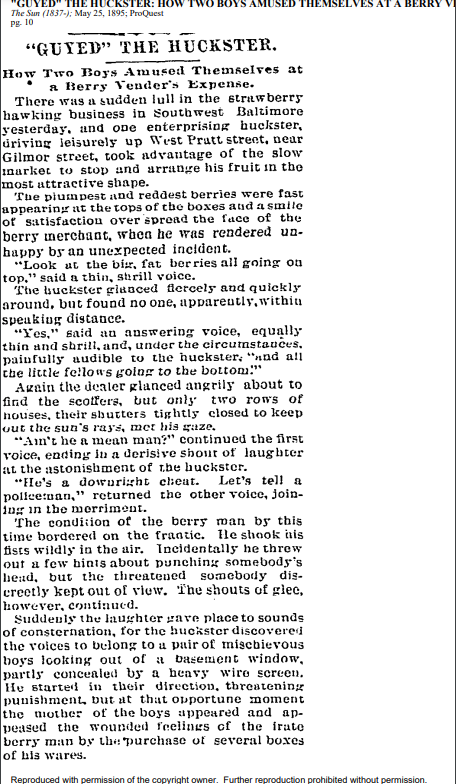
"Look at the big, fat berries all going on top... and all the little fellows going to the bottom!"
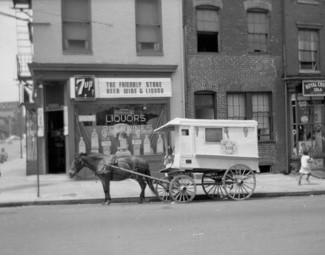
On a sweltering May afternoon in 1895 along West Pratt Street, an enterprising huckster arranging his strawberries learned quickly that Baltimore's alleys kept an audience for every move. Before corner grocery stores defined the urban landscape, the economic rhythm of the city was driven by the iron-rimmed wheels of itinerant vendors and pushcart hucksters.
For generations, the enduring tradition of Baltimore Arabbing has been deeply intertwined with the African American watermen and vendors who became its foundational backbone, historical caretakers, and modern preservers. At the same time, municipal records show that the trade was part of a broader, multi-ethnic working-class experience. In the decades following themid-19th century, immigrant communities—including Irish families settling into the city's dense urban wards—frequently turned to the pushcart to secure an independent livelihood outside of factory gates.
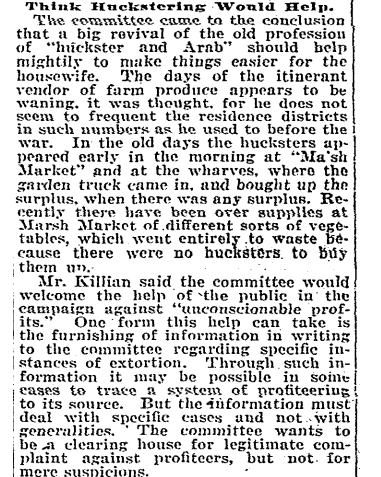
Demographic data provides a clear look at that Irish working-class footprint. Among the recorded Irish workforce in the 1860 federal census for Ward 18—the neighborhood surrounding the museum on Lemmon Street—thousands were anchored in heavy infrastructure and domestic service, including 1,017 male laborers, 206 carpenters, 180 coachmen, and 1,498 domestic servants. Alongside these established trades, independent Irish peddlers established a steady presence across the city, with census tallies documenting63 Irish hucksters in 1860, 97 in 1870, and 94 in 1880. By the early 20thcentury, mobile vendors were so essential to the city's food distribution that municipal committees examining market logistics noted how surplus produce at wholesale centers like Marsh Market routinely spoiled simply because insufficient hucksters were available to purchase and transport goods directly to residential neighborhoods.
Life on the route demanded extraordinary physical endurance. Hucksters traversed miles daily across Baltimore’s sloping, brick-lined alley sunder severe weather conditions, managing summer humidity that threatened perishable goods and winter slush that complicated the transport of heavy wooden carts.
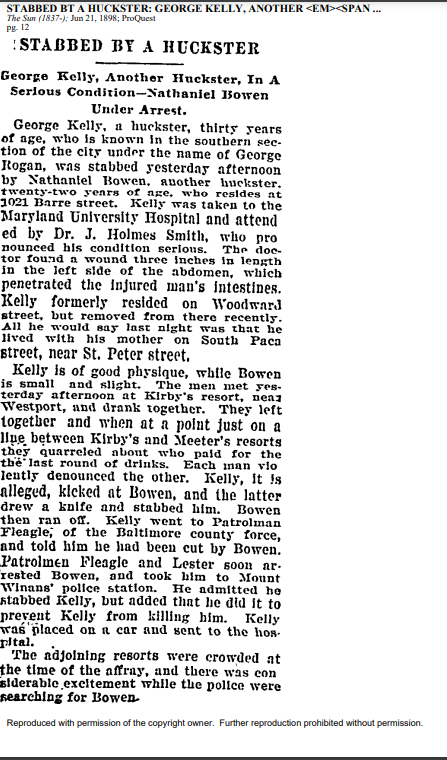
Daily street commerce brought its own distinct interactions and pressures. That 1895 strawberry vendor's frustration with neighborhood children observing from a basement window was resolved only when a local resident intervened to purchase the goods. Similarly, the economic pressures of the trade occasionally generated friction, as documented in police reports regarding a June 1898 dispute between hucksters George Kelly and Nathaniel Bowen near Westport.
The historical record also tracks families who built their daily lives entirely around the trade. By the 1930 census, the tradition carried forward into homes like that of Thomas F. Gowan and his son Jon, who lived on McHenry Street and worked as hucksters, carrying on the family-based rhythm of street peddling in the heart of the city.
.png)
Today, Baltimore remains the final American city where the tradition of Arabbing persists. Operating from historic stables, contemporary vendors fulfill a vital modern role by navigating urban landscapes to deliver fresh, affordable produce to neighborhoods affected by food deserts.
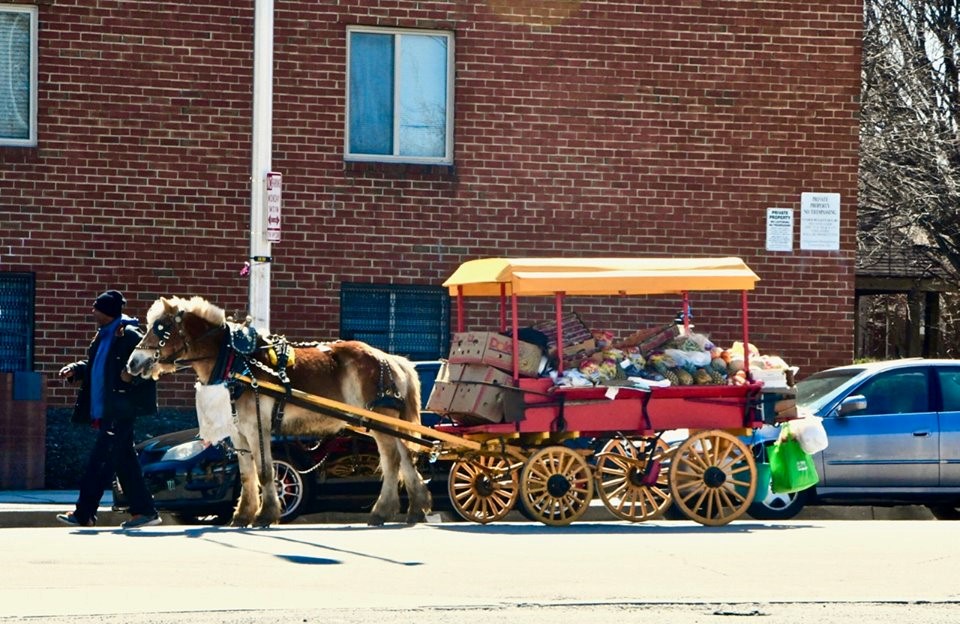
Examining this tradition highlights the shared, demanding experiences that shaped Baltimore's streets. Across generations, different working-class communities navigated economic hardship and physical labor side by side, sustaining the city and leaving a lasting legacy on its asphalt.